

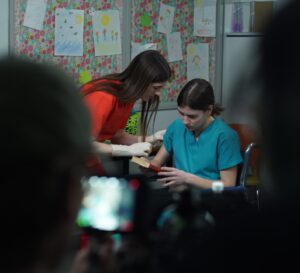

The multi-career project “SOPHIE MILGRAM” is the result of a collaborative effort between Media students and VFX program students from George Brown College.
I played multiple roles in the production of the film, including VFX Supervisor on set, Compositor, VFX Artist and 3D Artists.
Directed by Jacs Yim, this live-action short film tells the story of Sophie, a human clone confined to a laboratory for a worldwide experiment. Tested for tracking device implantation by her elder sister and mother, Sophie’s quest for freedom explores her dilemma between continuing the experiment or breaking free from the laboratory. The film conveys the global struggle against oppression, emphasizing that freedom is a choice.
The short film premiered at TAiFF 2023 – Toronto Asian Independent Film Festival in September of that year.
In this blog, you will find a behind-the-scenes look at my work on the short film, and you can watch the full film as well.
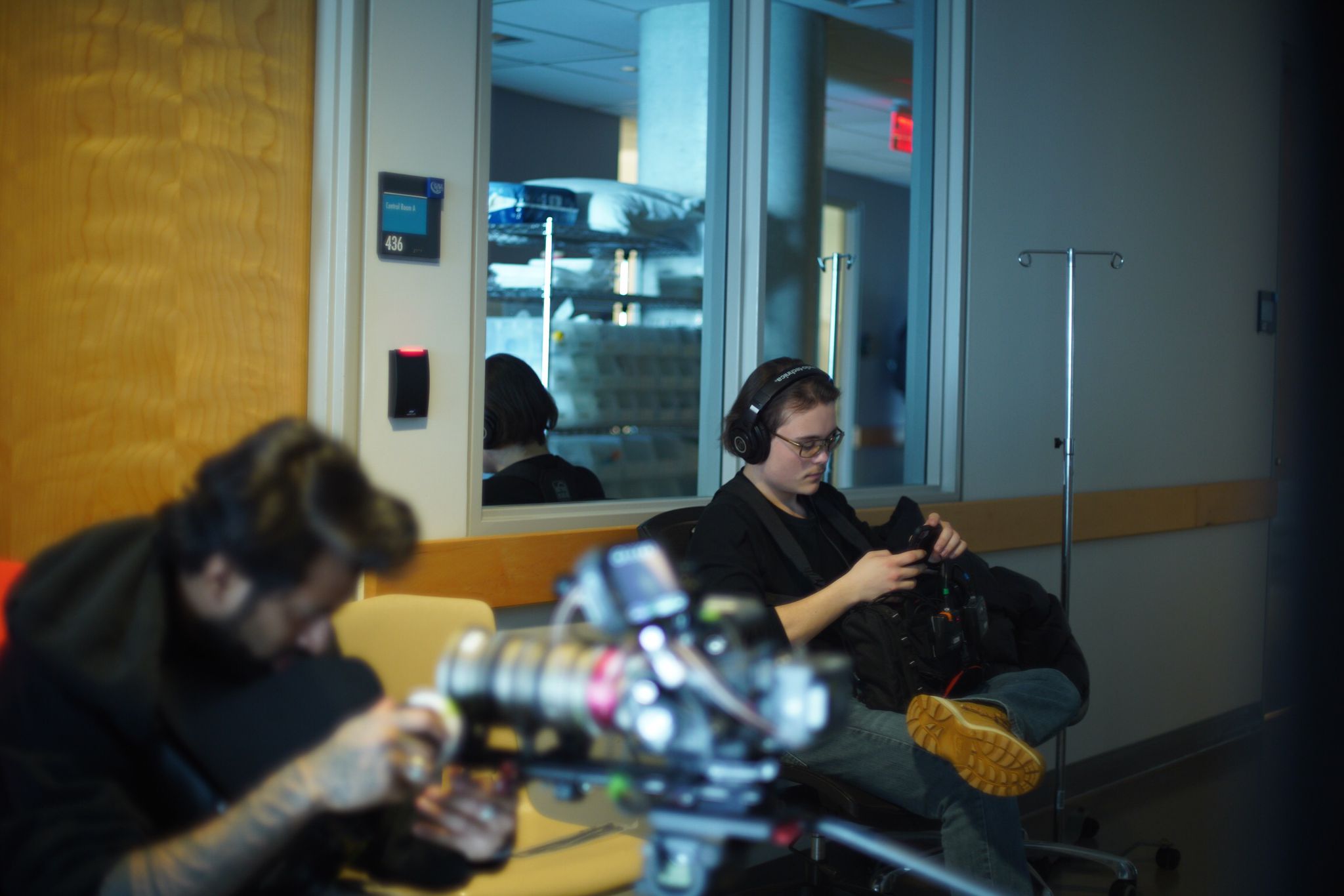
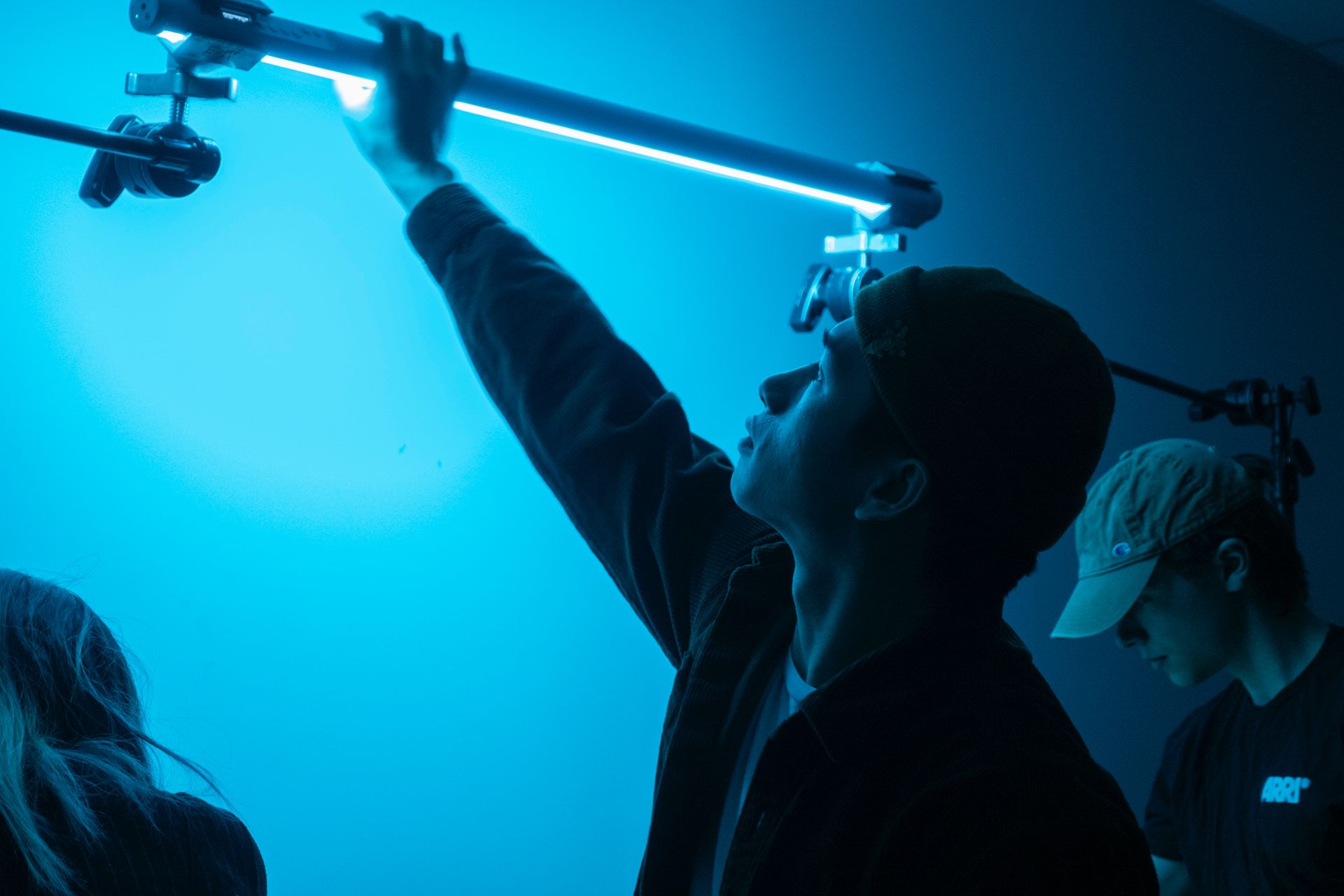
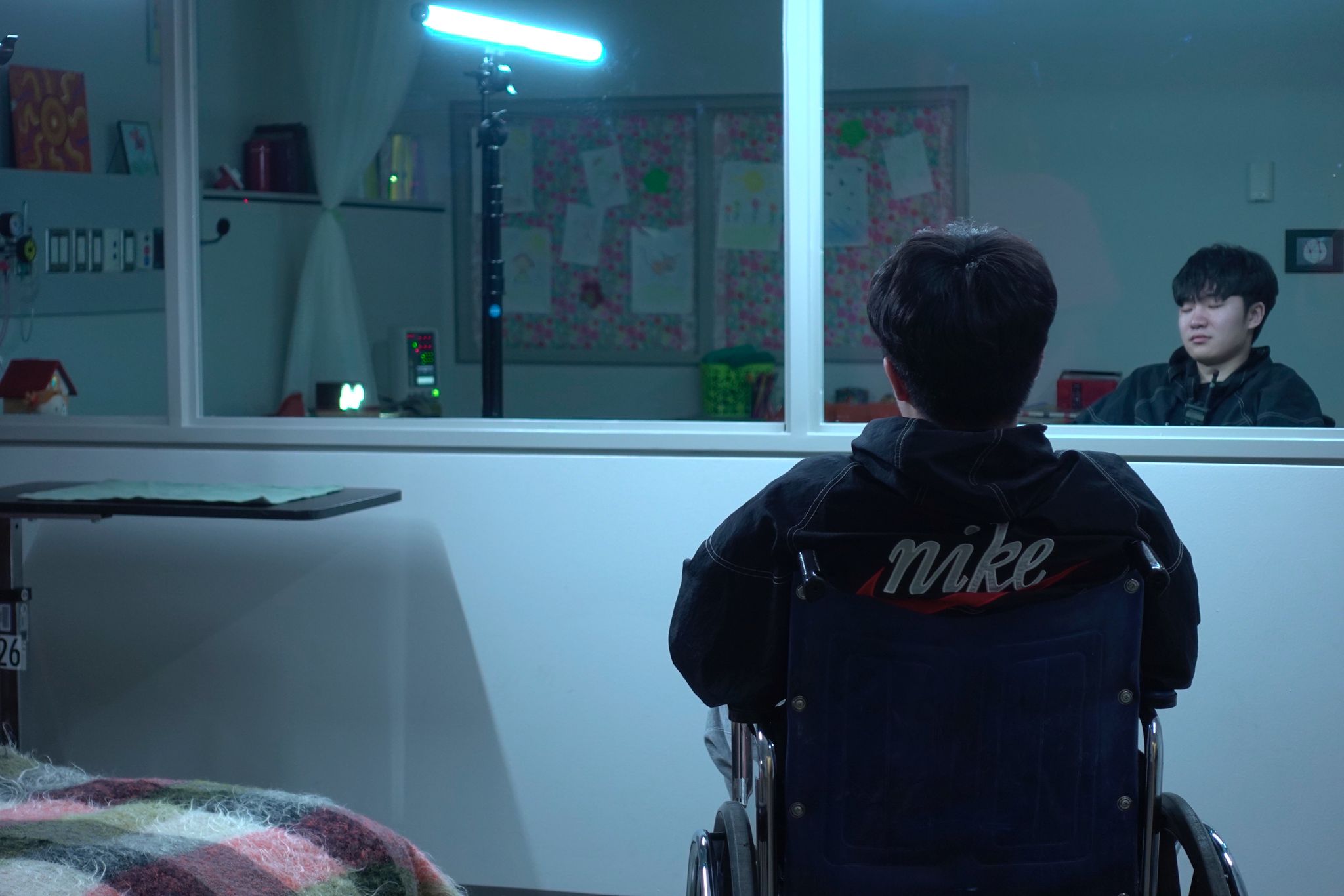
As a VFX supervisor, I ensured proper lighting and use of the green screen on set, capturing all necessary footage for virtual set recreation. I effectively communicated with the VFX team, consisting of Sophie Jameson, Umang Varma, and myself, to ensure seamless integration of our work. We shot the film at George Brown’s hospitality facilities instead of a traditional film set, which required many compromises due to space constraints and the size of the professional cameras used.
As a 3D Artist, I utilized Blender to create a virtual set with projection mapping, modeled the main character’s avatars, and created four unique hairstyles. The team provided the clothing for the avatars. Additionally, we were tasked with creating holograms for the short film. For the hologram shots, the actress performed her choreographed moves in front of a green screen, which we later removed. We created the background for that footage on another part of the set. To allow for potential post-production changes to shot angles, I scanned the set in 3D using camera projection, enabling us to reuse the background for multiple shots.
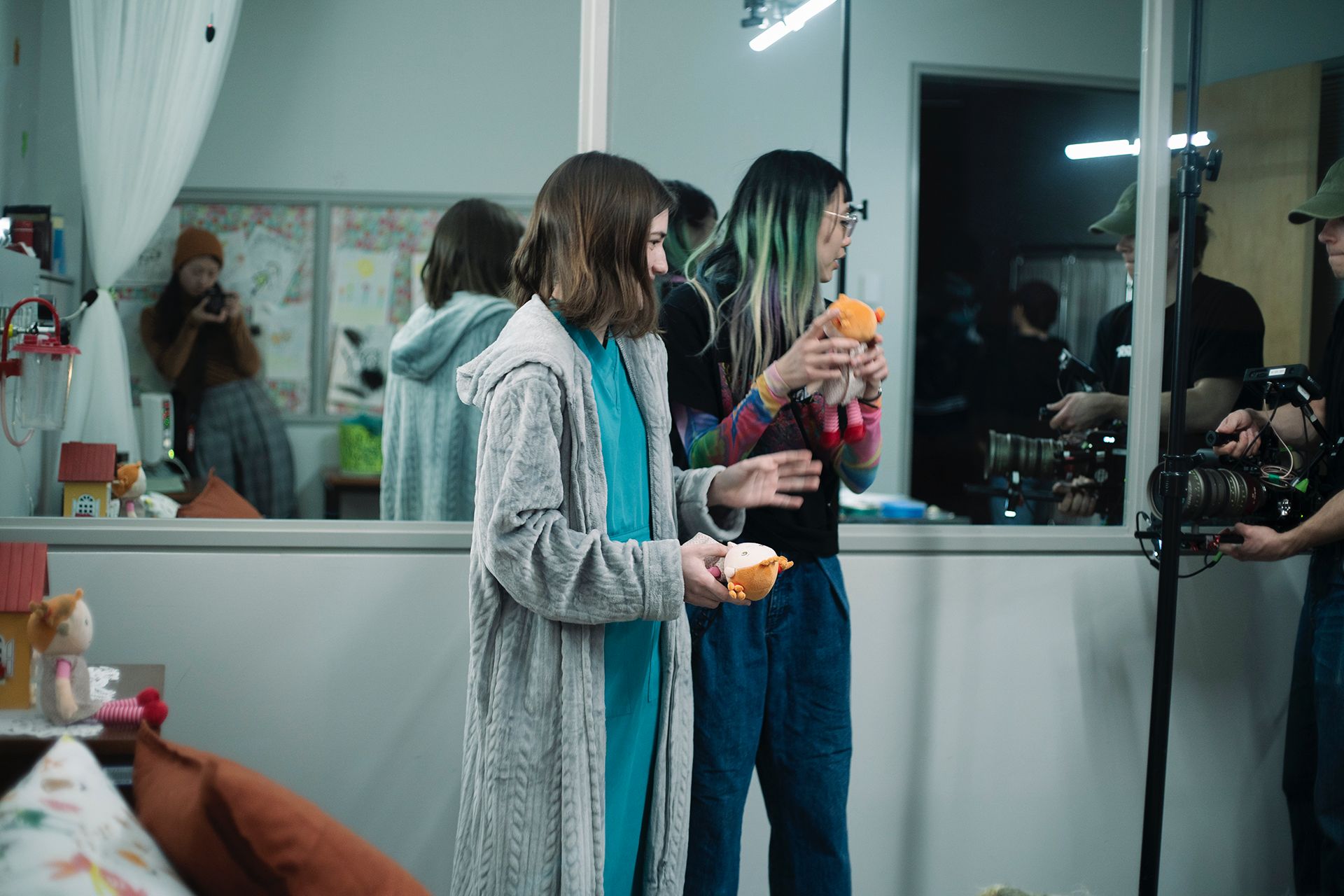
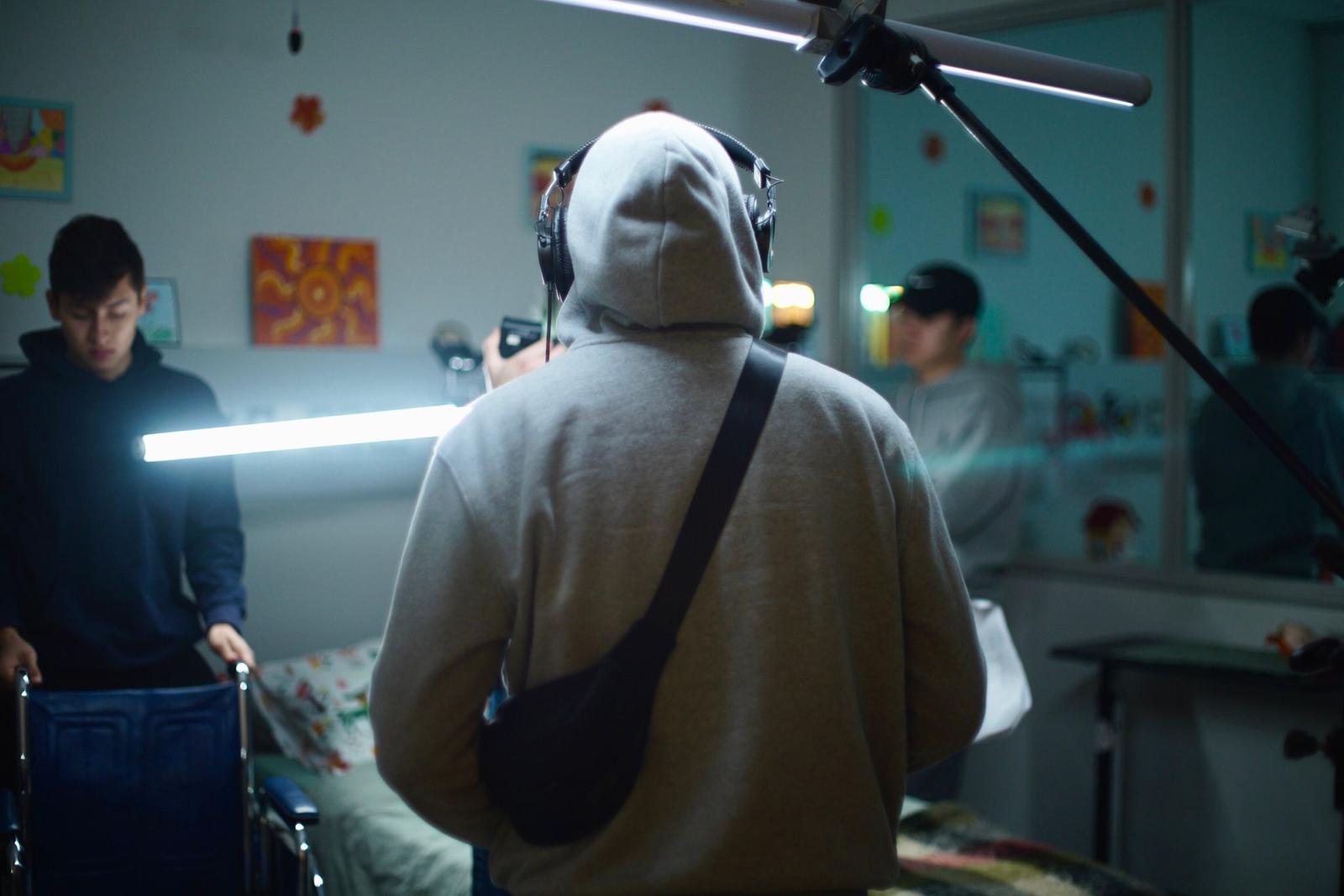
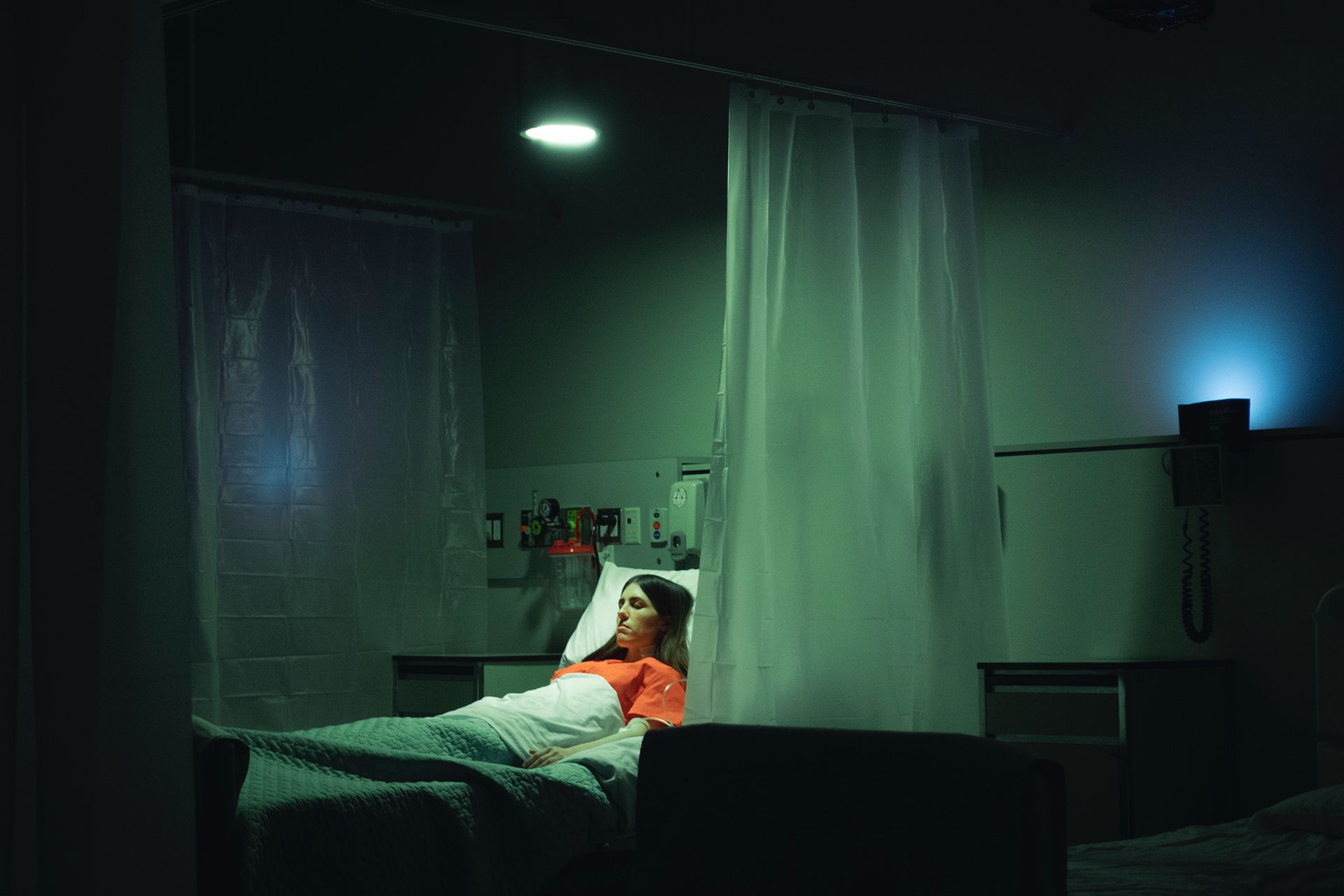
To coordinate the 2D animations with the actress’s hand movements, I created a temporary chart in the 3D scene. This was rendered and sent to Sophie Jameson, who synced the animation and positioning based on the chart’s numbers and letters. This step was necessary as the hologram was curved, complicating the alignment with the actress’s movements. Sophie designed the 2D layouts and animations for the holograms, Umang created the 3D assets, and I handled the animation, shading, and rendering of the holograms using Maya and Blender.
Lastly, in my role as a compositor, I used Nuke to do chroma keying, color grading, and applying LUTs on raw footage for the project. I also added effects such as dust to make the scene more alive. I worked on a total of eight shots for the project.
Check out this behind the scenes video to see a bit more about the process: